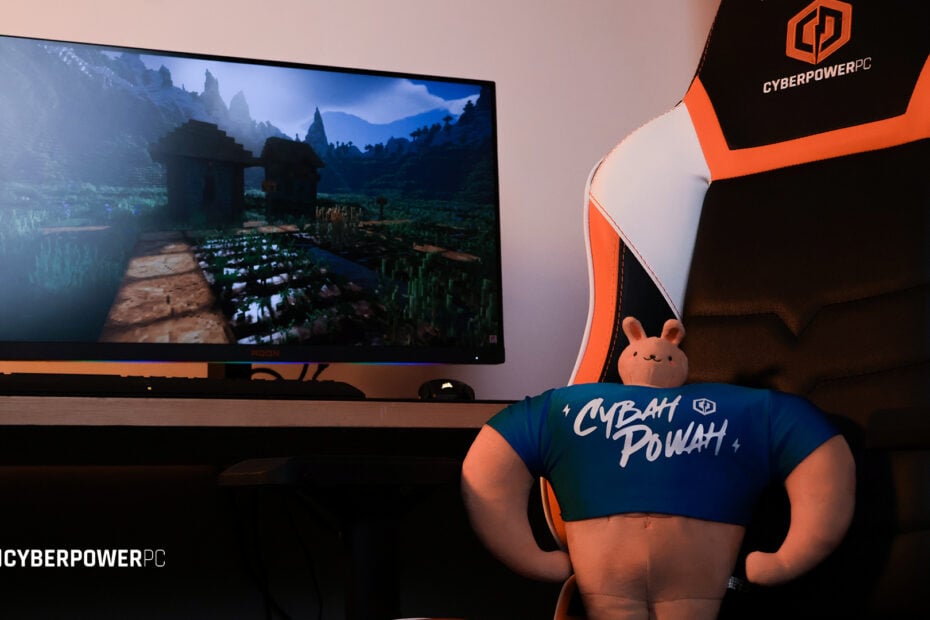
The best gaming chair is one with adjustable lumbar support, 4D armrests, a steel frame and dense foam padding. Those four things decide whether you are comfortable after several hours of sitting and gaming, far more than the styling, RGB or the brand does. Expect to spend at least £250 or more for a chair with all of them.
What makes a gaming chair good?
Strip away the styling and a gaming chair is judged on four things.
Adjustable lumbar support: The curve in your lower back needs something behind it, and bodies are different shapes. A fixed foam bulge in the backrest is not lumbar support. Look for either an internal adjuster you can move up, down, in and out, or a magnetic pillow you can position yourself to align with your spine.
4D armrests: Armrests that move up and down only are the single most common corner cut. 4D means up and down, forwards and back, side to side, and rotating inwards. Your forearms should rest on them with your shoulders relaxed. If they do not reach, your shoulders carry the weight for the entire session.
A steel frame: This is what typically fails first on cheap chairs. A steel frame with a class 4 gas lift will still be holding you up in five years. A plastic frame will not.
Dense foam, not thick foam: Thick soft foam feels great in the shop and flattens within months. Cold-cure or high-density moulded foam feels firmer at first, and stays supportive for years. This is why a lot of the most recommended chairs online are described as “too firm” by people trying them for ten minutes.
Everything else, the RGB, the cup holders, the speakers, is a personal preference rather than a requirement.
Is an office chair better than a gaming chair?
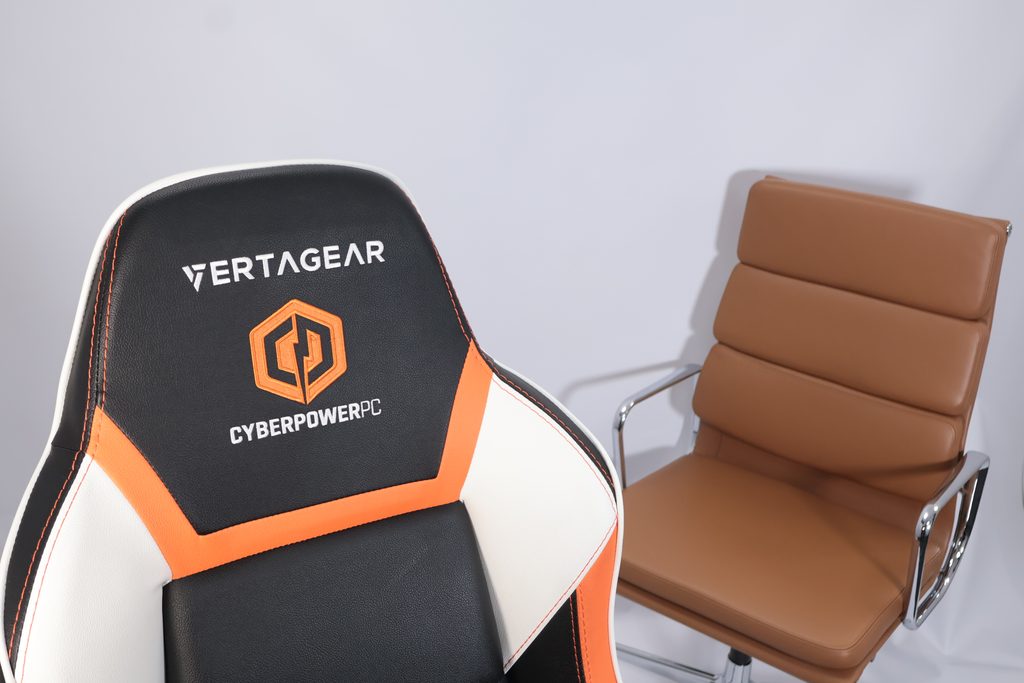
This is the most argued-about question in relation to gaming setups, and the honest answer is that the label does not decide it.
A high-end ergonomic office chair is genuinely an excellent choice. If your budget runs to a Herman Miller or a Steelcase and you sit for eight hours a day, that is a legitimately better purchase than most gaming chairs, and plenty of people online will tell you so, and they are right.
What they tend to miss is the price. Those chairs start at around four figures. At the £250 to £500 price that the average person is actually willing to spend, a well-built gaming chair with 4D armrests, adjustable lumbar and a steel frame will easily beat a mesh office chair at the same price, as office chairs in that bracket tend to have fixed armrests and no lumbar adjustment at all.
The real differences are in posture rather than in quality. Office chairs are built for upright work at a desk. Gaming chairs have taller backrests, more recline, and head support, which is far more suitable for long gaming sessions, watching something between matches, or leaning into a racing setup. Neither a gaming chair or an office chair is inherently the only correct option. Pick the one that matches how you actually sit when you play on your gaming PC.
How much should you spend on a gaming chair?
Under £150: Avoid. This is where the bad reputation of gaming chairs comes from. Plastic frames, fixed armrests and thin foam that flattens within months. If this is genuinely your budget, a second-hand office chair from a local furniture shop, charity shop or Facebook Marketplace will serve you better than anything new at this price.
£250 to £400: The sensible starting point. Steel frame, adjustable lumbar, 4D armrests, foam that lasts. This is where gaming chairs stop being furniture-shaped and start being actually supportive.
£400 to £600: Better materials, wider seat bases, more recline, magnetic accessories, longer warranties. Worth it if you sit for more than four hours a day, or if you are a bit taller than the average person.
£600 and up: Premium ergonomic territory, where you are choosing between high-end gaming chairs and proper office chairs like the Herman Miller range. Both are excellent choices if you have the budget.
One thing worth knowing: if you are building a setup from scratch, put more of the budget into the chair than the desk. A sturdy desk is a sturdy desk, but a gaming chair you will feel every gaming session. If your gaming chair offers no back support, that uncomfortable feeling could build into serious pain over a few months.
Which gaming chair brands are worth it?
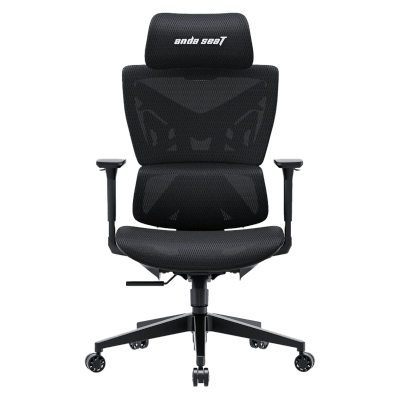
AndaSeat initially got their start building racing seats for BMW and Audi before moving into gaming chairs, and it shows in the frames. The Kaiser line is the one to look at, particularly the AndaSeat Kaiser 4 with a magnetic lumbar system and genuinely wide seat bases.
Razer builds firmer, more structured chairs. The Iskur and Enki gaming chairs are known for strong inbuilt lumbar support rather than soft padding. If you want support you can feel rather than a chair you sink into, this is the direction to go.
Secretlab is one of the most recommended chairs online, however it is also one of the most argued about. Many reviewers love the build quality and the customisation. Long-term owners are split, with plenty saying it is firm to the point of discomfort.
Corsair and Blacklyte both appear regularly in community gaming chair tier lists and rankings, usually as solid mid-range options without the brand premium.
Herman Miller branches out from gaming chairs, and is the honest answer for anyone with the budget and a desk job. Owners of popular Herman Miller chairs mention it taking two weeks to adjust to and then being worth every penny, which tells you something about how different proper ergonomic support feels.
Chairs for different setups
Small rooms and shared spaces: Full racing-style chairs take up a lot of space. If space is tight, look for a slimmer backrest and a five-star base with a smaller diameter, or even a folding gaming chair you can move out of the way. While these chairs can save space, they offer far less back support for long gaming sessions. A mini PC can also be a great addition to compact gaming setups.
Console gaming from the sofa: If you play on a TV rather than at a desk, a desk chair may not be the best option. Floor chairs, bean bags, gaming sofas and recliners are built for that posture and keep you at the right height for a coffee table. A PlayStation 5 and a decent recliner is a completely legitimate setup.
Racing and flight simulators: A desk chair will not hold up to force feedback. A wheel bolted to a desk flexes, and so does a chair on wheels. This is exactly why flight/driving simulator cockpits exist, and our Thermaltake racing simulators pair a proper seat and rig with the simulator PC in one simple setup.
Kids and smaller players: Adult chairs are too large for most children, which puts the lumbar support in the wrong place entirely. Look for a shorter seat depth rather than just a smaller-looking chair.
Inflatable chairs: Fun, cheap and portable, but not suitable as your main chair. They offer effectively no lumbar support and won’t survive long sessions. Fine for a spare room or a sleepover, wrong for a desk setup.
Finishing the setup
A gaming chair doesn’t work entirely on its own, it needs a sturdy, supported desk. There are three things worth getting right when it comes to your desk setup:
Desk height: Your elbows should sit at approximately 90 degrees with your forearms level. If the desk is too high, you would raise the chair and lose your footing, which is what causes most lower back complaints. A footrest is a quick fix, a lower desk is a long term fix.
Monitor height: The top of the screen should be at or just below eye level. Looking down at a monitor undoes everything that a good chair is doing for your neck.
Cable management and clearance: Like a plane, your wheels need a clear runway. A chair mat on carpet makes a surprising difference to how a chair feels to move.
Frequently Asked Questions
Is a gaming chair better than an office chair?
Neither is inherently better than the other. At £250 to £500, a well-built gaming chair typically wins, as office chairs at that price often have fixed armrests and no lumbar adjustment. Above £600, high-end ergonomic office chairs are great choices, and worth consideration. The things that actually decide comfort are adjustable lumbar support, 4D armrests, a steel frame and dense foam, and both types of chair can have or lack them.
How much should I spend on a gaming chair?
At least £250. Below around £150 you are buying a plastic frame, fixed armrests and foam that flattens within months, which is where most complaints about gaming chairs actually originate. Between £250 and £400 you get the important specs that matter. Above £400 buys better materials, wider seat bases and longer warranties, which is worth it if you sit for more than four hours a day.
What should I look for in a gaming chair?
Four things. Adjustable lumbar support that moves to fit the contours of your back. 4D armrests that move in every direction so your shoulders can relax. A steel frame with a class 4 gas lift, as this is what fails first on cheap chairs. Dense foam rather than thick soft foam, which feels firmer at first and stays supportive for years.
Are expensive gaming chairs worth it?
Up to a point. The jump from £150 to £300 is the biggest and most notable improvement, as that is where adjustable lumbar support and 4D armrests appear. Beyond £500 you are paying for materials, sizing options and warranty length rather than a dramatic comfort difference. If you game for an hour a day, a mid-range chair is plenty. If you are at the desk for eight, the extra budget is far easier to justify.
How long should a gaming chair last?
A gaming chair with a steel frame and dense foam should last five years or more. Cheaper chairs usually show their age within twelve to eighteen months, usually as flattened seat foam, a gas lift that sinks, or armrests that develop play.